Garden Flowers Watercolour Clip Art PNG: A Designer's Review
As a designer who spends more time staring at stitch previews than actual flowers, I approach new assets with a mix of excitement and skepticism. When I first opened the Garden Flowers Watercolour Clip Art PNG, my immediate reaction wasn't just about the visual charm; it was about translation. How does this soft, fluid aesthetic translate into the rigid, linear world of thread? This isn't just a pretty picture for a website; for us in the trade, it's a potential blueprint for a finished product that needs to withstand washing, wearing, and the critical eye of a paying customer.
The First Impression: Mood and Market Fit
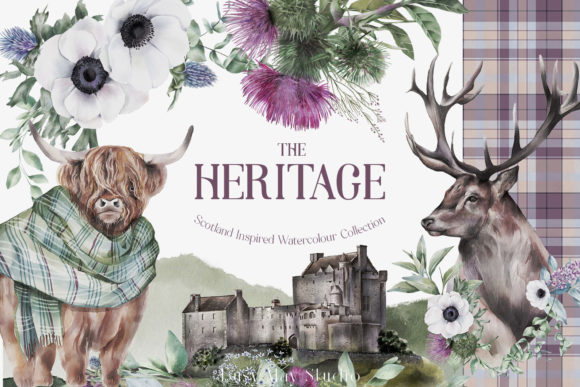
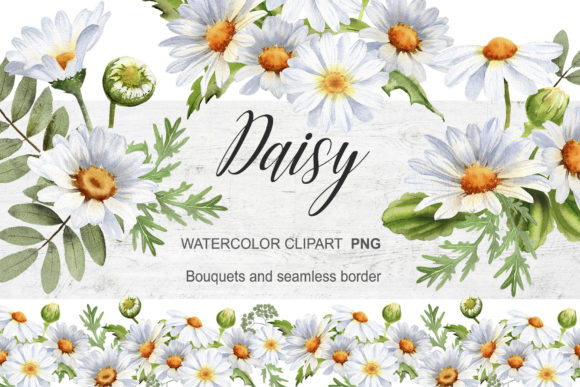
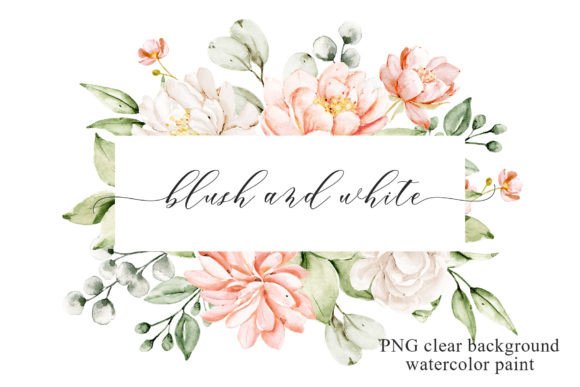
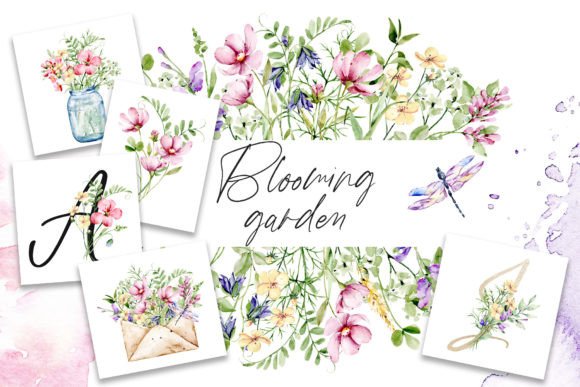
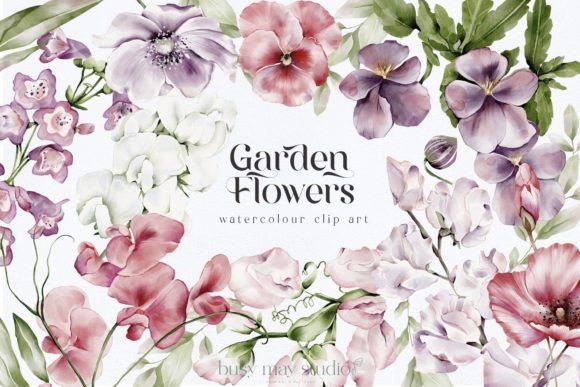
The initial vibe of this collection is undeniably gentle and organic. The watercolour style suggests a hand-painted origin, which aligns perfectly with the current market demand for handmade product authenticity. For an Etsy seller or a boutique owner, this aesthetic screams "artisanal." It avoids the harsh, vector-sharp lines that can sometimes feel too industrial for baby items or spring-themed decor.
However, looking at this through the lens of an embroidery professional, the lack of hard outlines presents both an opportunity and a challenge. In the realm of Illustrations, soft edges are beautiful. In embroidery, they require careful planning. If you are planning to digitize this yourself or use it as a reference for a machine embroidery design, you need to consider how to replicate that gradient bleed without making the design look muddy. The layout feels versatile, suitable for centering on a tote or clustering as a corner motif on a napkin.
Real-World Application: The Custom Tote Scenario
Let's walk through a realistic scenario. Imagine a client approaches your craft business wanting a set of reusable grocery bags for a local farmers' market. They want something that feels earthy but polished. This is where Garden Flowers Watercolour Clip Art PNG shines as a concept.
If used as a direct print-on-demand asset, the PNG format ensures transparency, allowing you to place the flowers on natural canvas or dyed fabrics seamlessly. But if we are talking about stitching, the design inspires a specific approach. I would envision using long and short stitch density variations to mimic the watercolour wash. A solid fill stitch might be too heavy here; instead, varying the thread tension and using variegated thread colors could recreate that artistic bleed.
For a tote bag design, the scale of these flowers is crucial. They are large enough to make a statement but detailed enough to hold interest. A customer running their hand over a sweatshirt with this design expects texture. If the digitization is too dense, the fabric becomes stiff. If it's too light, the backing shows through. The watercolour style naturally lends itself to a slightly looser stitch count, preserving the drape of the fabric—a key factor for custom apparel.
Navigating Fabric Textures and Challenges
Not every surface is created equal. While this design would look stunning on a smooth cotton twill or a high-quality linen pillow cover, caution is needed elsewhere. On textured fabrics like waffle weave or heavy fleece, the subtle gradients of the watercolour effect might get lost in the pile.
Furthermore, consider the hoop size constraints. If you are adapting this for a baby embroidery project, such as a onesie bib, you may need to isolate a single flower rather than using the full bouquet. Small details in watercolour art often rely on color shifts rather than line work. When shrinking a design for a cap or a small patch, those color shifts can blur. Always test a scaled-down version on scrap fabric first.
Dark fabrics present another hurdle. Watercolour art often relies on the white of the paper for highlights. On a navy blue sweatshirt embroidery project, you cannot rely on the fabric to provide the light values. You would need to actively stitch the highlights using lighter threads, effectively turning the design into a full-coverage piece rather than a translucent overlay. This increases production time and thread usage, which impacts your profit margin as a small shop product creator.
Commercial Viability and Brand Consistency
For commercial embroidery projects, consistency is king. If you are selling a line of holiday embroidery gifts or wedding favors, the Garden Flowers Watercolour Clip Art PNG offers a cohesive look that builds brand recognition. Customers trust products that look intentional. A sloppy stitch job on a delicate design erodes that trust instantly.
Using this asset for printable mockup creation before committing to physical production is a smart move. It allows you to visualize the personalized gift aspect—perhaps adding monograms in a complementary script font. The organic shape of the flowers pairs beautifully with handwritten typography, creating a balanced composition that feels high-end.
Essential Designer Notes for Execution
Before you commit this design to a client's heirloom quilt or a batch of embroidered patch orders, keep these practical steps in mind:
- Test on Scraps: Never skip the swatch test. Check how the colors blend on the specific fabric weight you intend to use.
- Stabilizer Selection: Watercolour effects often require stable foundations to prevent puckering, which distorts the soft edges. Use a cut-away stabilizer for stretchy knits and tear-away for stable wovens.
- Contrast Check: View your digitized version in black and white. If the design loses its definition without color, you may need to adjust the running stitch outlines or increase contrast between adjacent flower petals.
- Licensing Verification: Since this is a digital asset, always confirm the license terms. Can you sell the stitched finished product? Can you sell the digital embroidery file if you digitize it? Clarity here protects your craft business from legal issues.
- Thread Matching: Watercolour implies a spectrum. Ensure you have a robust inventory of thread shades to avoid banding, where distinct color blocks appear instead of a smooth gradient.
In conclusion, the Garden Flowers Watercolour Clip Art PNG is a potent tool for the modern maker. It bridges the gap between digital illustration and tactile craft. However, its success lies not in the file itself, but in the expertise of the person wielding the needle. Whether you are creating a personalized gift for a friend or stocking shelves for a boutique, treating this design with the technical respect it demands will result in a product that feels as soft and inviting as the original artwork.