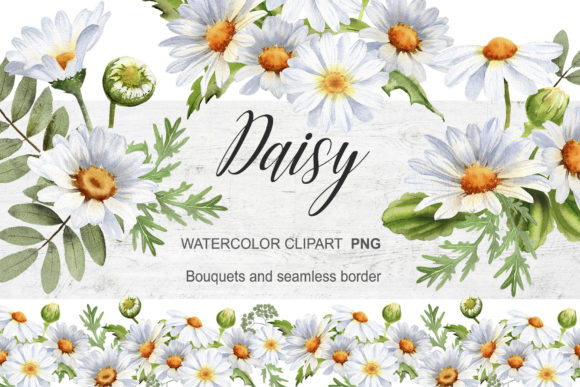
Watercolor Daisy Clipart Chamomile: A Designer's Review
As a designer who spends more time staring at stitch simulations than I do sleeping, I approach every new machine embroidery design with a healthy dose of skepticism. We have all been there: you download a beautiful graphic, convert it, and halfway through the run, the thread breaks or the detail turns into a muddy mess. That is why I took a close look at the Watercolor Daisy Clipart Chamomile before committing it to any client project. This isn't just about whether the image looks cute on a screen; it is about how that Illustrations style translates into thread, fabric, and ultimately, a finished product that holds up in the real world.
The First Impression: Softness Meets Structure
When I first opened the file for Watercolor Daisy Clipart Chamomile, the immediate vibe was one of gentle nostalgia. There is a specific mood that watercolor-style florals bring to the table—they feel organic, slightly imperfect, and incredibly inviting. For an embroidery project, this can be a double-edged sword. Watercolors rely on bleeding edges and subtle gradients, which are notoriously difficult to replicate with thread. However, the layout here feels intentional. The shapes are distinct enough to guide the needle, suggesting a thoughtful balance between artistic flair and technical feasibility.
The visual personality of this design leans heavily toward the boutique aesthetic. It screams "handmade" without looking amateurish. If you are an Etsy seller or a small shop owner looking to elevate your brand, this kind of imagery fits perfectly into the current market trend of cottage-core and natural living. It feels less like a generic clipart insert and more like a custom illustration waiting to be brought to life.
Real-World Application: The Tote Bag Test
To truly evaluate this embroidery file, I imagined a specific scenario: a custom order for a local farmer's market vendor who needed a series of reusable tote bags. She wanted something that felt earthy but polished. Watercolor Daisy Clipart Chamomile seemed like the ideal candidate.
In this context, the design shines. On a canvas tote bag, the texture of the fabric complements the soft edges of the daisy. Unlike a high-gloss satin finish that might look out of place on rough canvas, the implied softness of this design integrates well. I could envision using a fill stitch for the petals to mimic the wash of watercolor paint, perhaps varying the thread density slightly to create depth. For a sweatshirt embroidery project, this design would also perform beautifully, adding a touch of whimsy to a heavy cotton blend without overwhelming the garment.
For baby items, the charm factor is off the charts. Imagine this stitched onto a muslin swaddle or a nursery pillow cover. The chamomile theme naturally suggests calm and sleep, making it a powerful selling point for personalized gift shops. Customers aren't just buying a stitched item; they are buying a feeling of comfort, and this design delivers that narrative effectively.
Technical Considerations and Fabric Choices
While the aesthetic is strong, we must talk about the mechanics. Watercolor effects in embroidery often rely on complex blending or very fine running stitch details to simulate brushstrokes. When working with Watercolor Daisy Clipart Chamomile, you need to be mindful of your stitch density. If the digitizer has packed too many stitches into the "wet" areas of the flower, you risk creating a stiff, cardboard-like patch that ruins the drape of the fabric.
I would advise testing this design on scrap fabric first, specifically checking how it behaves on textured materials. On a terrycloth towel, for instance, fine details might get lost. Conversely, on a smooth linen tea towel, the definition should remain crisp. If you are planning to use this on dark fabric, pay close attention to the thread colors. Watercolor designs often use light, translucent hues. You may need to adjust the underlay or choose slightly more saturated thread shades to ensure the design pops against a navy or black background.
Another critical factor is the hoop size. Ensure the design fits comfortably within your hoop without needing excessive re-hooping, which can lead to registration errors. If the design includes tiny, intricate corners, verify that your machine can handle the sharp turns without bird-nesting. For curved surfaces like caps, this design might require careful positioning to avoid distortion around the seam.
Commercial Viability and Brand Consistency
For those running a craft business, consistency is key. Using Watercolor Daisy Clipart Chamomile across a range of products—from aprons to holiday embroidery gifts—can help build a recognizable brand identity. The cohesive look of the floral theme allows customers to instantly recognize your work. Whether it is a printable mockup for your online store or the actual finished product in a customer's hand, the quality of the stitch work reflects directly on your professionalism.
However, a word of caution regarding licensing. Before listing items made with this design on your shop, always confirm the license terms. Some digital embroidery file creators allow unlimited commercial use, while others restrict the number of physical items you can sell. Since specific license terms were not provided in the initial description, it is your responsibility to verify this with the source. Selling unlicensed work can damage your reputation and lead to legal issues, so never skip this step.
Practical Tips for Success
- Stabilizer Selection: Given the potentially delicate nature of watercolor styles, use a high-quality cut-away stabilizer for garments that will be washed frequently. This prevents the design from puckering over time.
- Thread Contrast: Test the design in black and white mockups first. If the values are too similar, the design will look flat when stitched. Ensure there is enough contrast between the petals and the center.
- Fabric Texture: Avoid using this on highly stretchy fabrics unless you have experience managing tension. The detailed areas of the daisy could distort if the fabric pulls too much during wear.
- Density Check: Inspect the stitch count visually. If an area looks overly dense, consider editing the file to reduce stitches, preserving the soft "watercolor" feel rather than creating a solid block of thread.
- Wash Testing: Always wash your test sample. See how the threads hold up and if the fabric shrinks around the embroidery. This is crucial for items like kitchen towels or baby clothes.
In conclusion, Watercolor Daisy Clipart Chamomile offers a delightful blend of artistic charm and practical application. It is not just a pretty picture; it is a versatile asset for designers who understand how to match the right design to the right medium. Whether you are creating a single embroidered patch for a friend or rolling out a new line of custom apparel for your boutique, this design has the potential to create genuine buyer engagement. Just remember to respect the technical limitations of embroidery, test thoroughly, and let the natural beauty of the chamomile shine through your craftsmanship.