Watercolor Swimsuit Clipart: Fresh Illustrations
As a brand designer who has spent years helping local entrepreneurs define their visual voice, I approach every new graphic design asset with a critical eye. It is not enough for an image to be pretty; it must serve a strategic purpose within a broader brand identity. Recently, I evaluated the Watercolor Swimsuit Clipart collection for a potential client project—a small, handmade swimwear boutique launching in a coastal town. My goal was to determine if these Illustrations could carry the weight of professional branding or if they were merely decorative filler. The first impression was immediate: this collection exudes a soft, organic, and distinctly handmade personality.
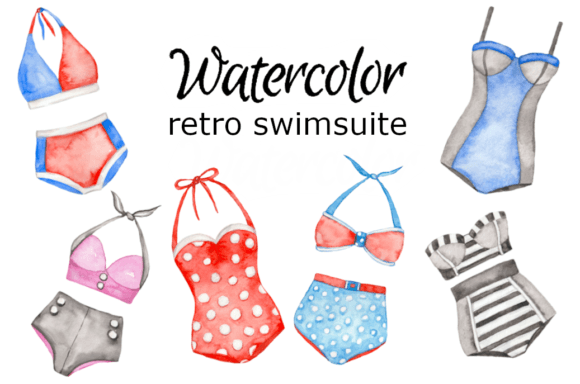
The mood created by these watercolor strokes is undeniably feminine and playful, yet grounded in an artistic elegance that feels far from generic. Unlike vector graphics that can sometimes feel cold or overly corporate, the bleeding edges and textured washes of the Watercolor Swimsuit Clipart suggest a human touch. This makes it an ideal fit for small business branding where the story of the maker is just as important as the product itself. For a local business selling artisanal goods, this aesthetic bridges the gap between approachable friendliness and premium quality. It signals to the customer that the brand values creativity and individuality over mass production.
Elevating Packaging and Product Labels
In the realm of packaging design, context is everything. I envisioned using these assets for a line of summer-themed body oils and beach towels. The Watercolor Swimsuit Clipart works exceptionally well as a hero graphic on a product label. When placed centrally on a kraft paper sticker or a clear vinyl decal, the soft colors pop against neutral backgrounds, creating immediate shelf appeal. For a handmade business, this kind of visual distinction is crucial. It helps the product stand out in a crowded market, whether on a boutique shelf or a farmers' market table.
Beyond the primary label, these design assets shine when used as packaging accents. Imagine a tissue paper wrap for a swimsuit purchase, stamped with a subtle version of the clipart, or a hang tag that features a delicate watercolor suit alongside care instructions. This level of detail transforms a simple transaction into an experience. It fosters a stronger emotional connection with the customer, making them feel they are buying into a lifestyle rather than just a garment. Furthermore, using these illustrations on thank-you cards included in the box reinforces the brand's appreciation and attention to detail, which is vital for building customer trust and encouraging repeat business.
Strategic Use in Marketing Visuals
The versatility of the Watercolor Swimsuit Clipart extends well beyond physical products. In the digital space, these Illustrations are powerful tools for creating cohesive social media graphics. For a seasonal campaign launch, I would layer these elements over photography to create engaging Instagram stories or Pinterest pins. The translucent nature of watercolor allows text to remain legible while adding a splash of color and theme to the composition. This supports a clearer visual hierarchy, guiding the viewer's eye from the imagery to the call-to-action without overwhelming the message.
For marketing visuals such as flyers, posters, or email headers, the clipart provides a consistent thematic thread. If a local business is hosting a summer sale or a pop-up shop event, incorporating these swimsuit motifs creates instant recognition. Customers begin to associate the specific style of the watercolor art with the brand, strengthening brand recall. Additionally, these assets are perfect for website banners and blog post headers, adding a layer of polish that elevates the overall perception of the business. When used in a product mockup for an online store, they help visualize how the brand feels, even before the customer touches the physical item.
Critical Considerations for Professional Branding
However, a professional designer knows that no asset is universally applicable. There are specific scenarios where the Watercolor Swimsuit Clipart should be used with caution. For instance, in very formal corporate branding or industries requiring strict minimalism, the decorative nature of watercolor might feel out of place. Similarly, one must be careful not to use these illustrations on crowded product packaging where ingredient lists or legal information need to be the priority. Placing complex watercolor details behind small text can reduce readability and compromise the professional look of the commercial design.
It is also essential to consider contrast. Watercolor often relies on soft, pastel tones which may disappear on low-contrast backgrounds. Before finalizing any logo design or label, I always test the asset in black and white to ensure the shape holds up without color reliance. This is particularly important for stamps, embossing, or single-color print runs. Furthermore, while these Illustrations are charming, they should never compete with the most important element of the design: the brand name. The decoration must support the typography, not overpower it.
Practical Notes for Implementation
To get the most out of the Watercolor Swimsuit Clipart, I recommend a rigorous testing phase. First, preview the images on actual product mockups at various sizes. What looks stunning on a large screen might lose definition on a small printable design like a price tag. Check the file formats carefully; high-resolution PNGs are excellent for web and standard printing, but if you need to scale the image significantly for a large banner, verify if SVG or vector options are available for clean editing.
Typography pairing is another critical factor. These watercolor elements pair beautifully with handwritten fonts that mimic the brushstroke style, creating a unified handmade feel. However, contrasting them with a clean sans-serif font can add a modern edge, preventing the design from looking too whimsical. Always review the commercial license associated with the clipart. As a designer working on commercial design projects for clients, ensuring you have the rights to use the asset for physical product sales and broad marketing is non-negotiable. Finally, compare your proposed design against competitor packaging. If every local boutique is using similar watercolor florals, perhaps positioning the swimsuit clipart in a unique layout will give your client the distinctive edge they need.
Ultimately, the Watercolor Swimsuit Clipart is a potent tool for professional branding when applied with intention. It offers a way to infuse warmth and personality into a brand, making it particularly effective for businesses that thrive on community and personal connection. By understanding its strengths in packaging design and social media graphics, and respecting its limitations in formal contexts, designers can leverage these Illustrations to create memorable, trustworthy, and visually stunning brand experiences for local entrepreneurs.