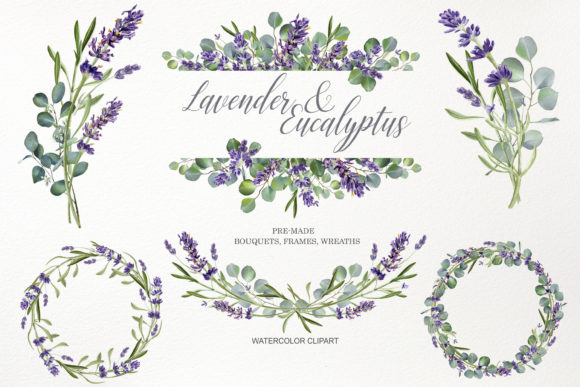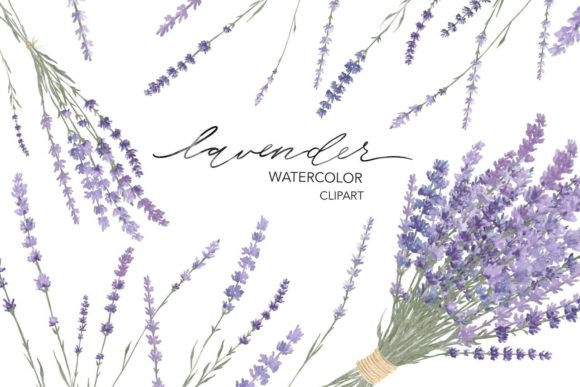
Lavender Watercolor Flower Clipart: A Designer's Review
When I first opened the files for Lavender Watercolor Flower Clipart, my immediate reaction wasn't just about the aesthetic; it was about translation. As an experienced designer who spends hours staring at screens before a single needle hits fabric, I know that a beautiful digital illustration does not always guarantee a successful embroidery project. The soft, bleeding edges of a watercolor style are notoriously difficult to replicate with thread, which demands definition and structure. However, after reviewing this specific set of Illustrations, I found a promising balance between artistic flair and technical feasibility for real-world application.
The First Impression: Mood and Market Fit
The visual personality of Lavender Watercolor Flower Clipart is undeniably gentle and inviting. It captures that trending "boho-chic" vibe that has dominated the handmade market for the last few years. The color palette suggests calmness, making it an ideal candidate for nursery decor, bridal showers, or spring collections. For an Etsy seller or small shop owner, this design asset offers immediate brand consistency if your boutique focuses on soft, feminine, or nature-inspired goods. The layout feels organic rather than rigid, which is crucial because embroidery on curved surfaces or textured fabrics can look stiff if the design isn't fluid.
What stands out most is the potential for custom apparel. Unlike dense, blocky logos that feel heavy on a lightweight tee, these floral elements breathe. They suggest a high-end, boutique feel rather than a mass-produced uniform. If you are looking to elevate a basic garment into a handmade product with perceived higher value, this is the kind of imagery that convinces a customer to pay a premium.
Real-World Application: From Screen to Stitch
To truly test the viability of Lavender Watercolor Flower Clipart, I mentally walked through a recent client request: a custom embroidered tote bag for a local farmer's market vendor. She wanted something that felt artisanal but durable enough for weekly use. This design fits that brief perfectly. On a canvas tote, the fill stitch areas typical in floral digitizing would hold up well against the weave of the fabric. The watercolor effect, when translated into varying densities of thread, creates a subtle texture that mimics the original art without losing clarity.
I also see strong potential for sweatshirt embroidery. The crewneck of a heather grey or cream sweatshirt provides the perfect neutral background for the lavender hues to pop. Because watercolor styles often rely on gradient effects, using a machine embroidery design that utilizes blending threads or careful stitch direction can create a stunning shadow effect. For baby embroidery, such as a onesie or a receiving blanket, the softness of the theme is a natural match. Parents are increasingly avoiding harsh, cartoonish graphics in favor of these softer, illustrative styles.
However, one must be realistic about the finished product. While the digital preview looks flawless, the physical result depends heavily on how the design is digitized. If the stitch density is too low, the "watercolor" bleed will look like gaps in the fabric. If it is too high, the fabric will pucker, ruining the delicate illusion. For those creating printable mockups to sell digital products or preview listings, this clipart is excellent. But for physical stitching, it requires a skilled hand or a high-quality auto-digitizing process to maintain the integrity of the original Illustrations.
Navigating Fabric Challenges and Technical Limits
Every designer knows that not every fabric plays nice with every design. With Lavender Watercolor Flower Clipart, caution is advised when working with stretchy knits or very thin materials like silk or rayon. The weight of the thread required to achieve the color saturation of a watercolor look can cause distortion. In these cases, investing in a high-quality cut-away stabilizer is non-negotiable. You cannot skimp here if you want the design to survive multiple washes.
Dark fabrics present another hurdle. Watercolor designs often rely on white space or light transparency. If you attempt to stitch this directly onto a black hoodie without an underlay or a white backing, the lavender tones will muddy and lose their vibrancy. For dark garments, consider adapting the design into an applique design where the flower shapes are cut from fabric and stitched down, preserving the color accuracy without fighting the background.
Curved surfaces, like caps, require extra scrutiny. The center of a cap is small, and detailed corners in floral designs can get lost or bunch up. Before committing to a production run of hats, always test the hoop size limitations. If the design is too wide, it might need to be simplified. Similarly, tiny lettering combined with these flowers should be avoided unless the text is large and bold; fine script tends to vanish next to the textured fills of a flower petal.
Maximizing Value and Professionalism
Using Lavender Watercolor Flower Clipart effectively can significantly boost customer trust and buyer engagement. When a customer sees a cohesive, well-executed design on a tea towel or a pillow cover, they perceive the maker as professional. It signals that you care about aesthetics, not just output. This is vital for commercial embroidery projects where you are representing a client's brand. A blurry or poorly stitched floral logo can damage a reputation, but a crisp, thoughtful interpretation of this clipart enhances it.
For holiday embroidery or seasonal gifts, this design offers versatility. It works for Mother's Day, spring weddings, or even as a subtle accent on winter linens if the color palette is adjusted. The key to maintaining this value is consistency. If you sell a small shop product line, ensure that the thread colors match exactly across different batches. Fading or shifting shades of purple can make a collection look disjointed.
Essential Notes for the Practical Designer
Before you load this digital embroidery file into your machine, there are practical steps you must take to ensure success. First, always test the design on scrap fabric that matches your final material. This allows you to check for puckering and verify that the satin stitch borders (if present) are smooth. Second, review the stitch count and density settings. If the file allows edits, you may need to reduce density for thicker fabrics like towels or increase it for slippery synthetics.
It is also wise to view your design in black and white on your screen. This strips away the distraction of color and lets you see if the contrast and shape definition are strong enough. If the design disappears in grayscale, it likely lacks the necessary contrast for clear stitching. Finally, and perhaps most importantly, confirm the licensing terms. While this article reviews the design for utility, you must ensure you have the rights to use Lavender Watercolor Flower Clipart for commercial embroidery or resale. Some licenses allow for finished physical goods but prohibit selling the digital file itself or using it on print-on-demand services.
In conclusion, Lavender Watercolor Flower Clipart is a versatile and aesthetically pleasing asset for the modern maker. It bridges the gap between digital art and tactile craft, offering a soft, professional look that resonates with today's consumers. Whether you are creating a personalized gift for a friend or stocking inventory for your craft business, this design holds immense potential—provided you respect the technical nuances of embroidery. With the right fabric, proper stabilization, and a keen eye for detail, these illustrations can transform simple items into cherished keepsakes.