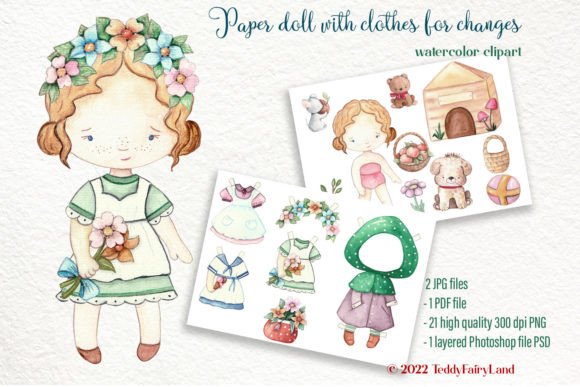
Paper Doll Printing Watercolor Clipart for Embroidery
As a designer who spends more time staring at stitch simulations than I do sleeping, I approach every new Illustrations asset with a healthy dose of skepticism. We have all been there: you download a gorgeous graphic, only to realize it turns into a muddy mess once the needle hits the fabric. That is why I took a close look at the Paper Doll Printing Watercolor Clipart collection before committing it to any client projects. My goal was simple: determine if these whimsical, soft-edged visuals could translate into a durable, high-quality machine embroidery design or if they were destined to remain digital-only assets.
The Aesthetic Challenge: Soft Edges vs. Hard Stitches
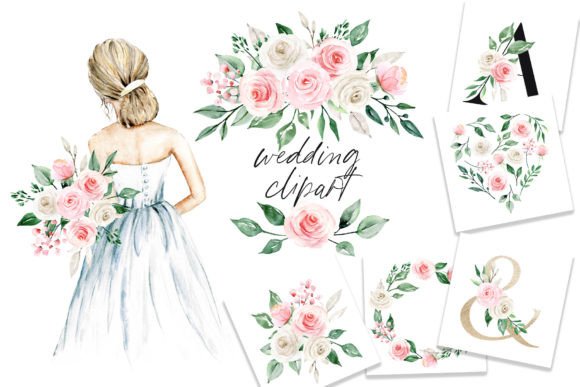
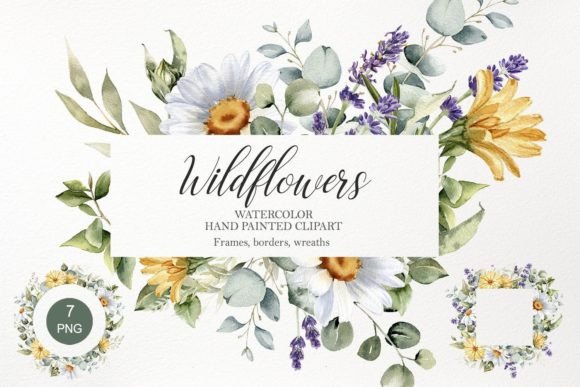
The first thing that strikes you about the Paper Doll Printing Watercolor Clipart is its mood. It is gentle, nostalgic, and undeniably charming. The watercolor style relies on bleeding colors and undefined borders, which creates a beautiful dreamlike quality on a screen. However, in the world of embroidery project planning, "soft" is often a dirty word. Embroidery thrives on definition. When I reviewed these files for potential conversion or use as a base for an applique design, I immediately started thinking about how to preserve that watercolor feel without losing clarity.
If you are planning to use these directly as a reference for digitizing, the layout is forgiving. The shapes are generally organic, which means you aren't fighting against rigid geometric lines that demand perfect satin stitch precision. This makes them an excellent candidate for a fill stitch approach where you can vary the density to mimic the transparency of watercolor paint. For a handmade product line, this aesthetic offers a distinct advantage: it looks less like a corporate logo and more like a piece of art, which significantly boosts the perceived value of the finished product.
Real-World Application: The Boutique Tote Bag Scenario
To truly test the viability of this collection, I imagined a specific real-life scenario that many Etsy seller accounts face daily: a custom order for a set of reusable market tote bags for a local botanical shop. The client wanted something that felt artisanal and eco-friendly. The Paper Doll Printing Watercolor Clipart fit this brief perfectly in theory. The theme aligns beautifully with natural fibers like canvas or cotton twill.
In this context, the design would likely work best as a large-format centerpiece. Because watercolor details can get lost in small spaces, I would recommend using a larger hoop size to allow the design to breathe. On a sturdy tote bag, you have the luxury of space. You could utilize a combination of techniques: perhaps a running stitch outline to define the major shapes, followed by varied density fills to create the shading effects typical of the watercolor medium. This approach ensures that the thread colors blend optically from a distance while maintaining structural integrity up close.
For a small shop product like this, the visual appeal is critical. Customers are drawn to items that look unique. Using these illustrations helps avoid the generic, clip-art look that plagues many custom apparel lines. It suggests that thought went into the design selection, fostering customer trust and encouraging repeat business. If executed well, this isn't just a bag; it's a statement piece that enhances the brand identity of the boutique selling it.
Navigating Fabric Textures and Limitations
While the potential is high, we must be realistic about where Paper Doll Printing Watercolor Clipart might struggle. Not every surface is ready for this level of detail. If you are attempting sweatshirt embroidery on a heavy, textured fleece, the fine gradients of the watercolor style might disappear into the pile of the fabric. In such cases, simplification is key. You may need to reduce the number of thread colors and increase the contrast between adjacent areas to ensure the image remains legible.
Similarly, caution is required when working with stretchy fabrics or curved surfaces like caps. A cap curve distorts the view of the design, and complex watercolor blends can look messy if the stitch density is too high, causing puckering. For baby embroidery, where softness is paramount, you must be incredibly careful with underlay and density. A dense watercolor fill on a onesie could feel scratchy against sensitive skin. Here, a lighter touch, perhaps utilizing open fill patterns or limiting the coverage area, would be a smarter move for a comfortable personalized gift.
Dark fabrics present another hurdle. Watercolor art often relies on the white of the paper (or in our case, the fabric) to create highlights. If you are stitching on a navy hoodie or a black apron, you cannot rely on the background to provide those light values. You would need to actively stitch the highlights, which increases the stitch count and production time. Always test your digital embroidery file on a scrap piece of the actual fabric you intend to use. Seeing the thread colors against the specific fabric texture in real life is the only way to confirm if the contrast works.
Commercial Viability and Professional Polish
For craft business owners, the bottom line is whether a design helps sell products. The Paper Doll Printing Watercolor Clipart has strong commercial potential because it taps into current trends favoring hand-painted aesthetics. Whether you are creating holiday embroidery for seasonal decor or designing printable mockup assets for your online store, these illustrations offer versatility. They can be adapted for embroidered patch creation, where the merrowed edge complements the soft internal details nicely.
However, professionalism dictates that you verify the licensing terms before selling. Just because a file is available does not automatically grant rights for commercial embroidery use. Always check the specific license associated with the Illustrations to ensure you are compliant when selling design assets or finished goods. Furthermore, before listing an item, consider creating black-and-white mockups to ensure the design holds its shape without the crutch of color. If the silhouette is weak, no amount of pretty shading will save the embroidery file on a monochromatic garment.
Final Designer Notes for Success
To get the most out of the Paper Doll Printing Watercolor Clipart, treat it as a foundation rather than a final solution. Here are my practical recommendations for integrating it into your workflow:
- Test First: Never run a full production batch without stitching a sample on scrap fabric identical to your final material.
- Stabilizer Matters: Watercolor styles often require smooth surfaces. Use a cut-away stabilizer for stretchy fabrics to prevent distortion over time.
- Check Density: Review the stitch density settings. If the design feels too heavy, reduce the fill percentage to let the fabric show through, mimicking the transparency of paint.
- Contrast Check: Ensure there is enough difference between adjacent thread colors so the design doesn't look like a blur from three feet away.
- Verify Licensing: Confirm explicitly that the license allows for resale of finished physical goods or digital derivatives.
In conclusion, the Paper Doll Printing Watercolor Clipart is a delightful resource for the creative entrepreneur willing to put in the technical legwork. It bridges the gap between digital art and tactile craft, offering a unique visual language for tote bag design, nursery decor, and boutique branding. With careful attention to fabric choice, stitch technique, and stabilization, these illustrations can elevate a standard embroidery project into a standout handmade product that customers will cherish.