Review: Watercolor Woodland Clipart for Embroidery
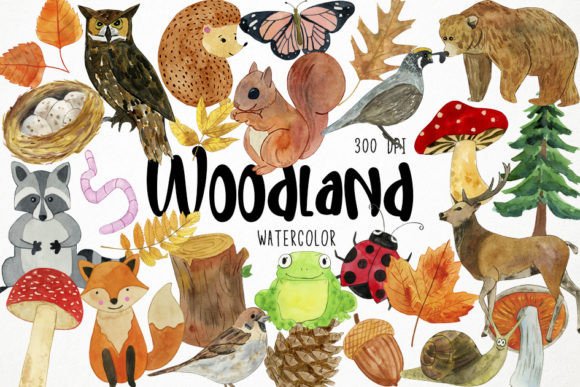
As a designer who spends more time staring at stitch simulations than actual scenery, I approach new Illustrations with a critical eye. When I first opened the Watercolor Woodland Clipart, Forest collection, my immediate reaction wasn't just about the aesthetic; it was about translation. How does this soft, fluid digital art survive the mechanical rigidity of an embroidery machine? This isn't just a review of a pretty picture; it is an evaluation of how these assets perform when turned into a tangible machine embroidery design for real-world client projects.
The Aesthetic Mood and Design Personality
The first thing that strikes you about the Watercolor Woodland Clipart, Forest set is its gentle, organic mood. Unlike vector graphics that rely on hard lines and solid blocks of color, these pieces mimic the bleed and flow of watercolor paint. For an embroiderer, this presents both a challenge and an opportunity. The visual personality suggests warmth, nostalgia, and a connection to nature, making it an ideal candidate for boutique branding or personalized gifts.
However, the layout and detail level require careful consideration. Watercolor effects often rely on subtle gradients and overlapping translucent layers. In the world of digital embroidery file conversion, these nuances can get lost if the digitizer relies too heavily on standard fill stitch patterns without varying the angle or density. If you are using these as a base to create your own embroidery file, you must pay close attention to how the "wet" edges are simulated. A heavy-handed approach will result in a design that looks like a solid patch rather than a delicate forest scene.
Real-World Application: The Custom Tote Bag Scenario
To truly test the viability of this collection, I envisioned a specific project: a custom embroidered tote bag for a local farmer's market vendor. The goal was to create a small shop product that felt handmade and high-end, avoiding the stiff, corporate look of typical promotional gear. The Watercolor Woodland Clipart, Forest seemed perfect for this. The theme aligns beautifully with eco-friendly branding, and the soft edges would complement the natural texture of canvas.
In this scenario, the design acts as the centerpiece of a handmade product. If executed well, the thread colors should blend slightly to mimic the watercolor effect, perhaps using variegated threads or carefully planned color stops. The customer reaction to such a piece is usually one of appreciation for the artistry; it elevates a simple bag into a piece of wearable art. However, if the stitch density is too high, the canvas could pucker, ruining the illusion of lightness that the original clipart conveys. The success of this embroidery project hinges on balancing the visual appeal with the physical limitations of the fabric.
Versatility Across Different Products
Beyond tote bags, the versatility of this forest theme allows it to shine in various contexts. For sweatshirt embroidery, the soft motifs work wonderfully on fleece or French terry, provided the stabilizer is robust enough to handle the loft of the fabric. It is also a strong contender for baby embroidery, where harsh lines are often avoided in favor of softer, dreamier imagery. Imagine a nursery pillow cover or a baby blanket featuring a subtle woodland creature from the set; it adds a touch of whimsy without being overwhelming.
For Etsy sellers and creative entrepreneurs, these designs can be adapted for holiday gifts, such as kitchen towels or aprons. The key is understanding the scale. A large, detailed forest scene might overwhelm a tea towel but would look majestic on a pillow cover or a wall hanging. When considering commercial embroidery for apparel decorators, these assets can serve as excellent chest logos or back prints for custom apparel, offering a unique alternative to the standard block-letter team logos.
Technical Challenges and Fabric Considerations
While the artistic potential is high, there are specific areas where the Watercolor Woodland Clipart, Forest requires caution. The primary concern is fabric texture. On textured fabrics like waffle weave or heavy linen, fine details and tiny lettering (if included in the composition) may get lost. The irregular surface can break up the continuity of satin stitch borders or fine running stitch details, making the design look fragmented.
Stretchy fabrics present another hurdle. If you attempt to place a dense forest scene on a thin, stretchy t-shirt without proper stabilization, the design will likely distort after the first wash. Similarly, curved surfaces like caps require a different approach. The rigid structure of a cap means that wide, flat designs often need to be broken up or simplified to fit the panel correctly without causing puckering at the seams.
Dark fabrics are perhaps the trickiest variable. Watercolor designs often rely on white space or light overlays to create depth. On a black hoodie, you cannot simply stitch the design as-is; you may need to incorporate an underlay or even consider an applique design approach where a light-colored fabric base is used to make the forest colors pop. Without this adjustment, the vibrancy of the greens and browns will be muted, losing the ethereal quality of the original illustration.
Enhancing Brand Value and Customer Trust
Using high-quality, thoughtfully adapted designs like those in the Watercolor Woodland Clipart, Forest collection directly impacts your brand consistency and customer trust. A finished product that looks professional and durable tells the buyer that you care about quality. Conversely, a design that pills, distorts, or looks muddy due to poor digitizing can damage your reputation as an Etsy seller or boutique owner.
The visual appeal of these forest motifs can significantly boost buyer engagement. In a saturated market, products that offer a distinct, artistic vibe stand out. Whether you are creating printable mockup images for your online store or displaying physical items at a craft fair, the uniqueness of the watercolor style draws the eye. It suggests a level of customization and care that mass-produced items lack, thereby increasing the perceived value of your finished product.
Practical Notes for the Embroidery Designer
Before committing to a full production run, there are several practical steps every designer should take when working with this type of asset:
- Test on Scrap Fabric: Always stitch out the design on the exact fabric you intend to use for the final product. This reveals issues with tension and density that aren't visible on screen.
- Check Thread Contrast: Ensure your chosen thread palette has enough contrast to define the shapes, especially if the design relies on subtle color shifts.
- Review Stitch Density: Look for areas where stitches might overlap excessively, which can cause thread breakage or fabric stiffness.
- Confirm Hoop Size: Verify that the design fits within your available hoop size without needing excessive re-hooping, which can lead to alignment errors.
- Inspect Small Details: Zoom in on the digitized file to ensure tiny elements like twigs or leaves are not so small that they will vanish during stitching.
- Test Black and White Mockups: View the design in grayscale to check if the tonal values hold up without relying solely on color.
- Use Proper Stabilizer: Match your stabilizer to the fabric weight; heavier designs may require cut-away stabilizer for longevity.
- Verify Licensing: Before selling items made with these designs, confirm the license terms regarding commercial use and resale of finished goods.
Ultimately, the Watercolor Woodland Clipart, Forest offers a rich source of inspiration for those willing to put in the technical legwork. It bridges the gap between digital art and tactile craft, allowing makers to create items that feel both modern and timeless. By respecting the limitations of the medium and adapting the design with care, you can transform these illustrations into stunning embroidery projects that resonate with customers and elevate your craft business.