Review: Spring Farm Animals in Watercolor PNG for Stitching
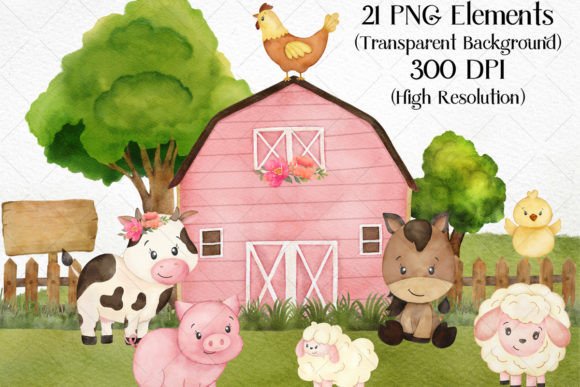
As a designer who spends more time staring at stitch maps than most people care to admit, I approach every new digital embroidery file with a mix of excitement and skepticism. When I first opened the Spring Farm Animals in Watercolor PNG, my initial reaction wasn't about the pixels on the screen, but rather how those soft, blended edges would translate into thread. There is a distinct mood here—a gentle, nostalgic warmth that screams "nursery decor" or "boutique baby gift." However, translating a watercolor aesthetic into a machine embroidery design requires careful planning. This isn't just a graphic; it's a blueprint for a physical object that needs to withstand washing, wearing, and the critical eye of a paying customer.
The Aesthetic Challenge: Soft Edges vs. Hard Stitches
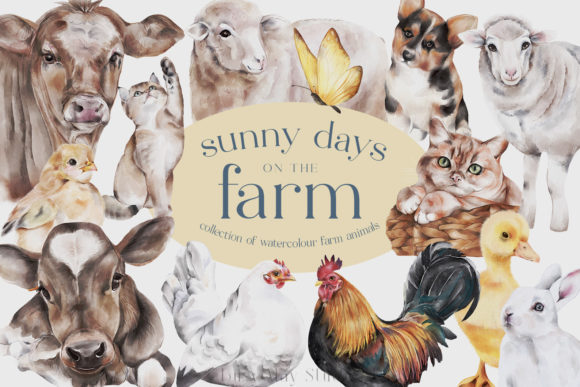
The visual personality of this Illustrations set is undeniably charming. The watercolor style suggests fluidity and organic movement, which can be tricky to replicate with thread. In a real-world embroidery project, you are fighting against the rigid nature of stitches. If you were to attempt a direct fill stitch replication of every gradient, you might end up with a dense, cardboard-like patch that lacks the airy feel of the original art.
For this design to shine, I recommend treating it as a high-end applique design or utilizing a creative mix of satin stitch borders with lighter density fills. The goal is to capture the essence of the watercolor bleed without over-stitching. When I visualize this on a tote bag design, I see the potential for a stunning feature where the thread texture adds depth to the flat image. The key is managing stitch density. Too dense, and you lose the "watercolor" vibe; too sparse, and the fabric shows through in unappealing ways. It demands a thoughtful digitizing approach or a very careful selection of pre-made files that respect these nuances.
Real-World Application: The Boutique Baby Collection
Let's put this into a concrete scenario. Imagine you are a small shop owner preparing a spring collection for an upcoming craft fair. You decide to use the Spring Farm Animals in Watercolor PNG for a line of baby embroidery items—specifically, muslin swaddle blankets and organic cotton onesies. This is where the rubber meets the road.
On a soft, textured fabric like muslin, the clarity of the design is paramount. The farm animal theme fits perfectly with the season, offering a fresh alternative to the usual primary-colored cartoons. However, because these items will be washed frequently by tired parents, the durability of the finished product is non-negotiable. If the design relies heavily on tiny running stitch details to mimic paint splatters, those threads might snag or break after ten cycles in the laundry.
For a personalized gift like a name banner or a nursery pillow cover, the stakes are slightly different. Here, the visual appeal drives the value. A customer buying a custom item for a newborn wants something that looks handcrafted and premium. If the Spring Farm Animals in Watercolor PNG is executed with high-quality thread colors that match the soft pastels of the source art, it elevates the perceived value of your handmade product. It tells the buyer that you didn't just slap a generic clipart on fabric; you curated an experience.
Navigating Fabric and Hoop Limitations
While the design is versatile, it is not universal. There are specific situations where you need to proceed with caution. For instance, applying this to a structured cap or a curved surface requires significant expertise. The watercolor style often involves irregular shapes that can distort easily on a curved plane if the stabilizer isn't perfect. Similarly, using this on dark fabrics might require a heavy underlay or even a white appliqué base to make the pastel tones pop, which changes the hand-feel of the garment.
If you are working with stretchy fabrics for custom apparel like leggings or fitted tees, the hoop size and stabilization strategy become critical. A large, dense design can restrict the stretch of the fabric, making the garment uncomfortable to wear. I always advise testing the design on scrap fabric that matches your final material. Check how the corners hold up and whether the fine details blur together when stitched out at a smaller scale. What looks crisp on a printable mockup might turn into a muddy blob when reduced to a 3-inch chest logo.
Commercial Viability and Brand Consistency
For Etsy sellers and creative entrepreneurs, consistency is the backbone of brand trust. If you sell holiday embroidery patterns or seasonal decor, integrating the Spring Farm Animals in Watercolor PNG can help unify your shop's aesthetic. It signals a cohesive brand identity that customers recognize and trust. However, before listing these as design assets or finished goods, you must verify the licensing terms. Can you sell the digitized file, or only the physical embroidered patch or garment? Misunderstanding these terms can lead to serious issues for a craft business.
Furthermore, consider the production workflow. Does this design require frequent thread changes? If you are running a high-volume commercial embroidery operation, a design that demands twelve different thread shades for a single animal might slow down your production line significantly. Balancing artistic integrity with operational efficiency is a skill every professional decorator must master.
Final Verdict and Designer Notes
The Spring Farm Animals in Watercolor PNG holds immense potential for creating heartfelt, marketable products, provided it is treated with technical respect. It is not a "drag-and-drop" solution for every scenario. To ensure success, I recommend the following practical steps before committing to a full production run:
- Test on Scraps: Always stitch a sample on the exact fabric type you intend to use, paying close attention to fabric texture interaction.
- Check Contrast: Review the design in black and white to ensure the shapes remain distinct without relying solely on color gradients.
- Verify Density: Inspect the back of the sample for excessive thread buildup, which can cause puckering on lightweight materials.
- Confirm Licensing: Double-check the usage rights for small shop products and digital resale before marketing your items.
- Stabilizer Selection: Match your stabilizer to the fabric weight; watercolor styles often benefit from a cut-away stabilizer for long-term durability.
In conclusion, this design asset is a strong contender for spring collections, baby showers, and boutique branding. It bridges the gap between digital art and tactile craftsmanship beautifully, as long as the maker respects the limitations of the medium. By approaching the Spring Farm Animals in Watercolor PNG with a critical eye and a solid technical plan, you can transform a simple image into a cherished finished product that stands out in a crowded marketplace.