Safari Animals Watercolor Clipart: A Designer's Review
As a designer who spends more time staring at stitch simulations than I do sleeping, I approach every new digital embroidery file with a healthy dose of skepticism. We have all been there: you download a beautiful graphic, load it into your software, and realize halfway through the stitching process that the details are muddy or the density is going to turn your fabric into cardboard. That is why I took a close look at the Safari Animals Watercolor Clipart collection before committing it to any client work. This isn't just about whether the image looks cute on a screen; it is about how those watercolor washes translate into thread, stabilizer, and fabric texture in the real world.
The First Impression: Mood and Visual Personality
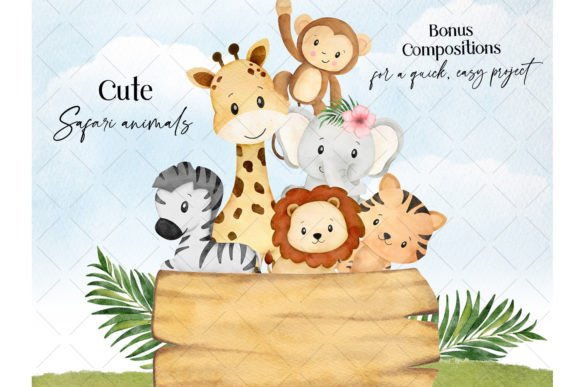
When I first opened the files for the Safari Animals Watercolor Clipart, the immediate takeaway was the softness of the aesthetic. Unlike vector-based line art that demands crisp satin columns, these illustrations rely on blended tones and organic shapes. The mood is gentle, whimsical, and undeniably nursery-ready. For an embroidery project, this presents both an opportunity and a challenge. The lack of hard black outlines means the design relies entirely on color contrast and stitch direction to define the animals' features.
The visual personality here screams "handmade." It fits perfectly into the current trend of boutique baby items and soft, earthy-toned home decor. However, because these are originally Illustrations meant for print or digital use, my brain immediately started converting them into stitch types. I could see where a fill stitch with varying densities would mimic the watercolor bleed, and where a delicate running stitch might be needed to outline a ear or a tail without overpowering the soft edges.
Real-World Application: From Screen to Stitch
To truly test the viability of this collection, I imagined a specific scenario: a custom order for a local boutique expecting a line of organic cotton tote bags and muslin swaddle blankets. The client wanted a "Safari Sleepy Time" theme. This is where the Safari Animals Watercolor Clipart shines, but also where you need to be strategic.
For the tote bag design, the larger canvas allows the watercolor effect to breathe. Using a lighter weight polyester thread, you can achieve those subtle gradients that make watercolor so appealing. The design works exceptionally well as a central focal point on a sweatshirt embroidery project, provided the garment is heavyweight enough to support the stitch count. Imagine a cream-colored hoodie with a soft, stitched elephant in muted greys and blues; the result feels high-end and thoughtful, far removed from the cheap, plastic-looking patches we often see.
However, if you are planning baby embroidery on delicate knits, you must proceed with caution. The soft edges of these animals are lovely, but if the stitch density is too high, the fabric will pucker, ruining the watercolor illusion. In my mental simulation of this project, I would definitely recommend using a cut-away stabilizer rather than tear-away, even for woven fabrics, to ensure the finished product maintains its shape after multiple washes.
Navigating Fabric Textures and Limitations
One of the most critical aspects of reviewing any machine embroidery design is understanding where it fails. The Safari Animals Watercolor Clipart is not a one-size-fits-all solution. While it looks stunning on flat, stable fabrics like cotton twill or linen, it becomes tricky on textured surfaces. If you attempt to stitch these detailed watercolor blends onto a heavy towel or a ribbed knit, the definition of the animal's face may get lost in the fabric's pile.
Furthermore, dark fabrics present a significant hurdle. Watercolor aesthetics usually depend on white space or light backgrounds to create transparency effects. Stitching these directly onto a navy or black custom apparel piece would require a dense underlay or even an appliqué approach. If you treat this as an applique design, stitching a light fabric base first and then embroidering the details on top, you can preserve the watercolor look while ensuring visibility on dark garments. Without this step, the colors might appear dull and muddy against a dark background.
Curved surfaces, such as caps, are another area requiring careful consideration. The horizontal expanse of many safari animals might distort when forced onto the front panel of a structured cap. For a holiday embroidery gift like a stocking, the vertical orientation of a giraffe or elephant works beautifully, but always check your hoop size limitations before promising a client a specific placement.
Commercial Viability and Brand Consistency
For the Etsy seller or the owner of a small shop product line, consistency is key to building trust. The Safari Animals Watercolor Clipart offers a cohesive look that can tie together an entire collection. Whether you are making pillow covers, kitchen towels, or personalized gifts, the consistent artistic style helps customers recognize your brand. It elevates the perceived value of the finished product.
Customers today are savvy; they can tell the difference between a generic clipart dump and a curated design asset. By taking the time to adjust thread colors and optimize the stitch path, you transform a simple image into a premium handmade product. This attention to detail fosters customer trust and encourages repeat business. It tells the buyer that you care about the longevity and appearance of the item they are purchasing.
Practical Notes for the Embroidery Designer
Before you rush to list these designs in your shop or start stitching for a deadline, here are my professional recommendations based on this evaluation:
- Test on Scrap First: Never skip the test stitch. Run the design on the exact fabric you plan to use for the final product to check for puckering or registration issues.
- Check Thread Contrast: Watercolor relies on subtle shifts. Ensure your thread colors have enough distinction to be seen once stitched, especially if viewing the item from a distance.
- Review Stitch Density: If the digitized version feels too heavy, consider reducing the fill density in your software to keep the fabric drape soft, particularly for baby items.
- Mockup in Black and White: Convert your digital preview to grayscale. If the animal loses its definition without color, the design may rely too heavily on hue rather than form, which can be risky for embroidery.
- Verify Licensing: Always confirm the license terms attached to the Safari Animals Watercolor Clipart. Ensure you have the rights for commercial embroidery if you intend to sell the physical items or digital previews.
- Consider the End Use: Will this embroidered patch or garment be washed frequently? If so, reinforce the edges and choose durable threads.
In conclusion, the Safari Animals Watercolor Clipart is a potent tool for the creative entrepreneur, but it demands respect and technical know-how. It is not a "load and go" situation for complex fabrics. However, when applied correctly to suitable materials like tote bags, nursery decor, or light apparel, it produces a personalized gift or boutique item that feels truly special. It bridges the gap between digital art and tactile craft, offering a softness that rigid vector designs often lack. Just remember to respect the medium, check your specs, and let the watercolor style guide your stitching strategy.